
Become a Millionaire Farmer By Cultivating Drumstick, Learn How 1 Plant Can Earn Up to ₹1800,Yuvapatrkaar
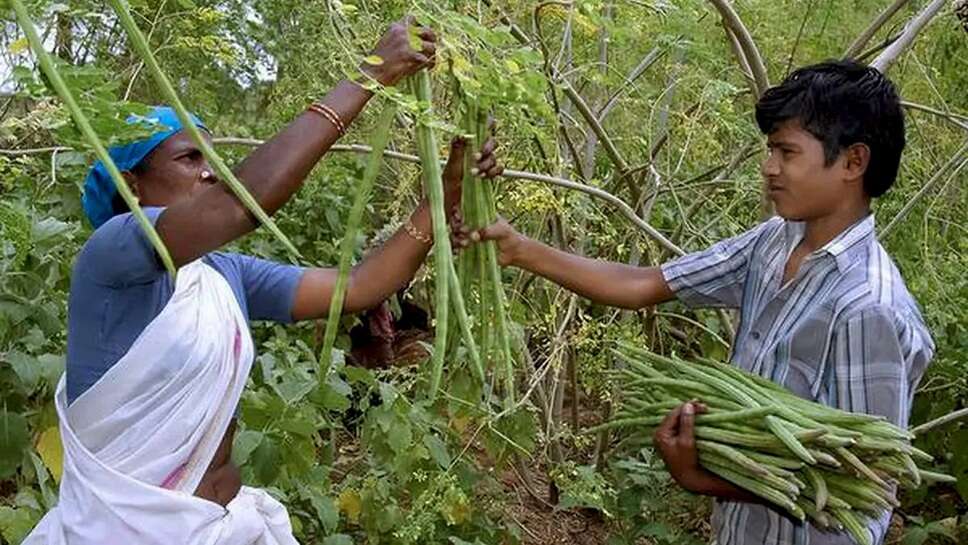
Drumstick Farming 2025: Moringa (Drumstick / Moringa) is one of the most profitable crops for farmers in 2025. In this article, we will explore in detail how to cultivate Moringa, which varieties are best, when to plant them, and how much a plant yields annually. Finally, we will also understand why it is called a money printing machine.
Why Moringa Farming is So Profitable
Moringa is not just a vegetable crop; it is also a medicinal plant. Its leaves, pods, and seeds are all sold in the market. Furthermore, its demand is steadily increasing both domestically and abroad. This is why farmers are increasingly turning to Moringa cultivation, moving away from traditional crops.
Which States Are Most Successful in Moringa Cultivation?
In India, Moringa is cultivated primarily in Tamil Nadu, Maharashtra, Gujarat, Madhya Pradesh, and Rajasthan. This plant thrives in temperatures ranging from 2°C to 47°C. Therefore, if your area has such temperatures, you can successfully grow this crop.
Which Variety is Best?
If you want to cultivate drumstick commercially, hybrid varieties (PKM1, PKM2, and ODC3) are the best choice. These varieties begin production just six months after planting and yield pods twice a year. This is why they are the most popular among farmers.
Correct Planting and Spacing Method
Drumstick plants can be purchased from nurseries or grown from seeds. It is best to transplant 30-45 day-old nursery seedlings into the field. A 12-foot row-to-row and 5-foot plant-to-plant spacing is considered ideal for planting. This allows for easy tractor access and facilitates intercropping.
When to Plant and When to Harvest
June to August is the most suitable time for cultivating drumsticks. Production begins six months after transplanting. A single plant yields approximately 15 kg of pods in the first year, 35 kg in the second year, and up to 45 kg in the third year.
How Much Can One Plant Earn?
Assuming the average market price of drumsticks is ₹40 per kg, a single plant can generate ₹600 in the first year, ₹1400 in the second year, and up to ₹1800 by the third year. This plant produces for 10 years, and yields increase each year. This means that once planted, a plant can become a source of income for years.
Leaves and Seeds Also Yield Great Income
Both the leaves and seeds of the drumstick plant are purchased in major markets like Neemuch. Moringa leaves are used in Ayurvedic medicines, health supplements, and cosmetic products. Moringa oil is produced from its seeds, which costs thousands of rupees per liter.
Intercropping will double your income
If you plant moringa plants at a distance of 12 x 5 feet, you can grow crops like tomatoes, bitter gourd, fenugreek, spinach, or coriander in the space between. This way, farmers can generate double income from a single field.
Conclusion
Drumstick cultivation is a golden opportunity for rural farmers today. This crop not only provides high yields at low cost but also guarantees a stable income over a long period of time. With the right variety and proper care, this plant can transform every farmer's life.
FAQs
Question 1: When is the best time to start moringa cultivation?
Answer: June to August is the most suitable time for planting.
Question 2: Is moringa cultivation profitable for small farmers?
Answer: Yes, small farmers can earn a good income by planting it even in a limited area.
Question 3: Are drumstick leaves also sold?
Answer: Yes, the leaves are used in Ayurvedic medicines and health products and sell at good prices in the markets.
Question 4: For how many years does a drumstick plant produce?
Answer: This plant produces continuously for about 10 years.