Delhi Pollution: New information Revealed Regarding increasing Pollution in Delhi
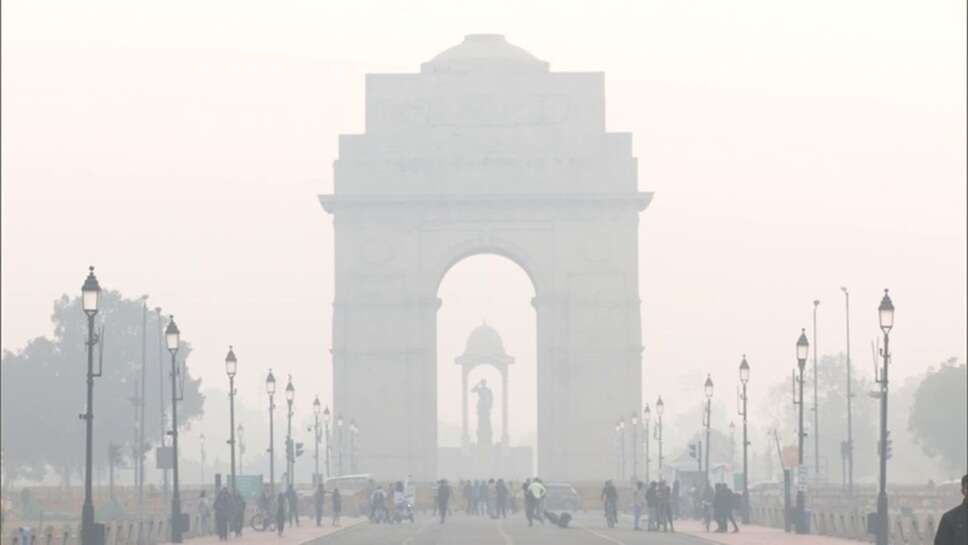
Delhi Pollution: Thermal power plants located in the National Capital Region are also spoiling Delhi's air by violating emission norms. This information has come from a new analysis. A study focused on pollutants nitrogen oxides and sulfur dioxide emitted from eleven thermal power plants (TPPs) located at NCAR has been conducted by the Center for Science and Environment (CSE), a leading environmental think tank.
Thermal power plants located in the National Capital Region are also polluting Delhi's air by violating emission norms. This information has come from a new analysis.
A study has been conducted on pollutants such as nitrogen oxides and sulfur dioxide emitted from eleven thermal power plants (TPPs) located in NCR. Called the "leading environmental think tank Center for Science and Environment" (CSE). The environment status report from April 2022 to August 2023 on the website of the Central Electricity Authority (CEA) is the basis of this study.
Read More - Redmi 9 Pro Plus 5G Smartphone With 6.4-inch Full HD AMOLED Display, Know Features & Price
According to the study, TPP contributes about eight per cent of PM2.5 pollution in Delhi-NCR. Anumita Roy Chowdhury, executive director of research and advocacy at CSEE, said, "If pollution sources like thermal power plants continue to pollute at such high levels, Delhi-NCR will never achieve its goal of meeting clean air norms and protecting public health." Will be able to."To do.
Read More - Realme C53 Most Powerful 5G Smartphone Launched
Such plants are not able to meet such standards. Because the deadline is continuously increasing. According to the CSE report, despite repeated extensions of the deadline and revised classification by the Union Power Ministry, many plants in the sector are not complying with the emission standards of nitrogen oxides and sulfur dioxide pollutants.
Read More - Oppo Reno 11 Smartphone With 6.67 Inch Full HD OLED Display, Know Features & Price
In December 2015 the ministry introduced stringent emissions standards for coal-fired plants, to be complied with within two years. Later, the ministry extended by five years the deadline for all power plants, except Delhi-NCR, which should have come into effect by 2019, due to high pollution levels in the region.
Superfast News Coverage By YuvaPatrkaar.com Team
Publish Date: November 27, 2023
Posted By Sunil
Follow Us on Google News - Click For Latest News