
Growing threat of microplastic pollution on Ganjam beach
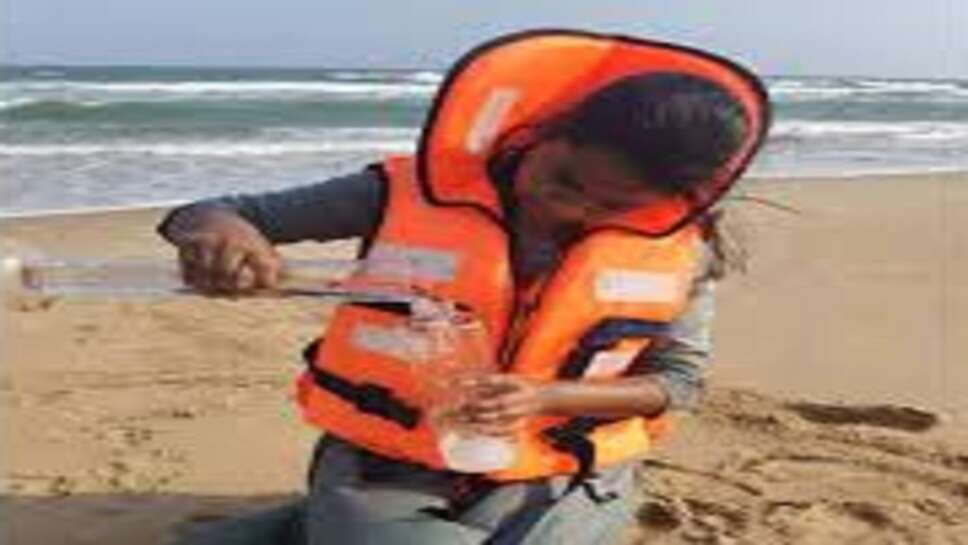
The threat of microplastic pollution in the sea is increasing in the Ganjam district of Odisha. According to a preliminary study by researchers at Berhampur University, synthetic clothing, packaging and broken plastic items are being mixed into the sea. This is posing a threat to the marine ecosystem that is a lifeline for local communities.
Prof. B. Anjan Kumar Prusti, Head of the Department of Environmental Sciences at Berhampur University, said, "Aquatic animals and fish are also contaminated with microplastic fibers due to improper disposal." These microplastics are smaller than 5 mm and are not easily visible. However, they can enter the food chain and cause serious short-term and long-term health problems, Prusti noted. The project will provide important information about the amount of microplastics in the water, sediment and commercially important fish species along the coast of Odisha.
In the initial phase, the study is focused on a 60-km stretch of the Ganjam coast. This stretch has been classified into three parts: fishing areas, tourist areas and uninhabited/isolated areas. According to preliminary findings, the proportion of fibres in microplastics was highest at 55.7%, while the proportion of fragments was 30.7%. In addition, films were found at 8.8%, foam at 2.6% and pellets at 2.2%. In terms of colours, pink (19.7%) and purple (18%) plastics were found to be the most abundant. This was followed by blue (13.6%), red (12.3%), white (11.8%) and yellow (10.5%). The proportion of transparent plastics was the lowest (6.6%).
Prof. Prusti explained that, "The high proportion of fibres indicates waste coming from the textile industry and fishing-related activities, while the fragments are formed by the breakdown of larger plastics. The presence of films, foams and pellets indicates a small amount of waste coming from packaging, foam products and industrial sources." While packaging and thermocol pieces were found in high abundance in tourist areas, microplastic pollution was also found to be spread by waves and currents in more isolated areas.
Researcher Rakhi Jain said, “Using regularly collected data, quantitative representations are being created with the help of statistical tests to develop a better understanding of the dynamics of macro and micro plastic pollution along the Odisha coast.” The ongoing study will be gradually expanded to the entire Odisha coast. Prof. Prusti said, “The final findings of this study will be crucial in understanding the true extent of microplastic pollution in the marine environment in Ganjam.”
He added that according to an international assessment in 2016, there were about 19 to 23 million tonnes of plastic waste in the marine ecosystem and it is estimated that this figure could double by 2030. “When we eat fish, we can ingest microplastics, which can carry toxic chemicals like polychlorinated biphenyls (PCBs) or heavy metals.”
What is microplastic?
Microplastics are plastic particles smaller than 5 millimeters in size. These particles are usually invisible to the naked eye. They can be found in the ocean, rivers, and even in our food. These plastic particles can be very dangerous for the environment and living things.
Where does this plastic come from?
This plastic is mainly produced from the decomposition of synthetic fabrics (e.g. polyester, nylon), plastic bottles, bags, and other packaging materials. This plastic also enters the ocean from nets and other equipment used for fishing.
What are the effects of this pollution?
Microplastics enter the food chain. Small aquatic animals eat them, and then larger fish eat those aquatic animals. This is how this plastic reaches us. If this plastic enters the body, it can cause serious health problems. This plastic may contain toxic chemicals, which are harmful to our body.
What do researchers say?
Researchers from Berhampur University are studying this problem. They have found high levels of microplastics along the Ganjam coast. This is especially true in fishing areas and near tourist spots. They also said that pink and purple plastic has been found in high quantities.
What's next?
The study will now be conducted along the entire Odisha coast. The information obtained from this study will help in understanding the extent of microplastic pollution and will make it easier to take action against it.