
The girl hasn't had her period for several months, the truth the doctor told her is shocking, what are the reasons for not having her period?
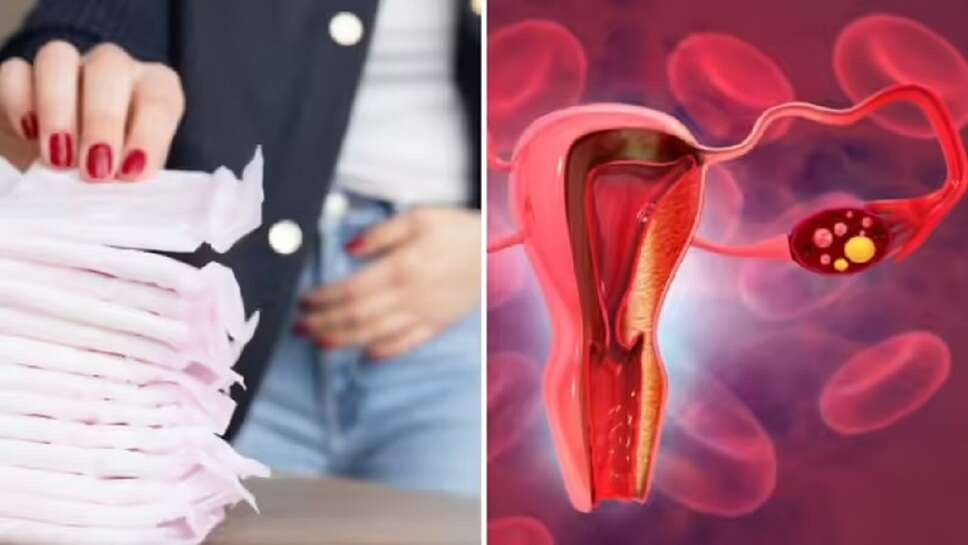
Sometimes a mother's anxiety makes everyone think. Recently, the mother of a 13-year-old girl rushed to the gynecologist because her daughter had not had regular periods for six months. She had had her periods only three times, and there was no change in the following months. The mother was scared, and she had doubts that there was a serious problem, but many parents will be relieved after knowing what the doctor said. Because such problems are 'normal' in adolescence, nothing to worry about.
It is completely natural to have irregular periods during adolescence
Dr. Sonia Singh clearly states that when girls first start their periods, they are not expected to be regular for the next few months. The balance of hormones in the body has not yet completely stabilized, so it is quite normal for menstruation to occur after two to three months. Therefore, it is important for parents to remain patient at this stage without panicking.
Body changes start at the age of ten
Doctors say that girls' bodies generally start to change significantly from the age of ten. The ovaries start functioning and the production of eggs starts. At the same time, the 'hypothalamus' and 'pituitary' glands in the brain communicate with the ovaries. The regulation of the menstrual cycle depends on the mutual coordination between these hormones.
It takes two to three years for hormones to stabilize
It takes time for hormones to balance in the adolescent body. Therefore, it is normal for menstruation to come early or late during this period. Doctors say that in about two to three years, the hormonal system stabilizes and menstruation continues regularly. However, if irregularities persist for a long time, a simple ultrasound and hormonal checkup should be done once.
Proper diet is the greatest medicine
At this age, girls should eat a nutritious and balanced diet. Doctors say that foods made from flour, junk food, cold drinks and fried foods should be avoided. Instead, green vegetables, pulses, fresh fruits, milk and water should be included in the diet. Foods rich in iron and calcium keep hormones naturally balanced.
Exercise, cycling and maintain mental stability
Exercise is more effective than medicines for menstrual irregularities. Daily walking, cycling, yoga or simple stretching exercises also bring the body into its natural rhythm. Along with this, adequate sleep and maintaining mental stability are equally important. Because stress also affects hormones. Adolescence is an age of change for both the body and mind. During this period, menstrual irregularities are not a disease, but a process of the body bringing itself into balance. Therefore, parents should support girls in this phase without panicking, understanding and taking proper care. This is the first lesson of true ‘period health’.
Note: This article is for general information purposes only. It is not a substitute for medical advice, diagnosis or treatment. Always consult your doctor for more details. MT does not take responsibility for the accuracy, reliability or effectiveness of the information in the article.