
Install Solar Panels on Your Rooftop For Just ₹500, The Government is offering a Substantial Subsidy,Yuvapatrkaar
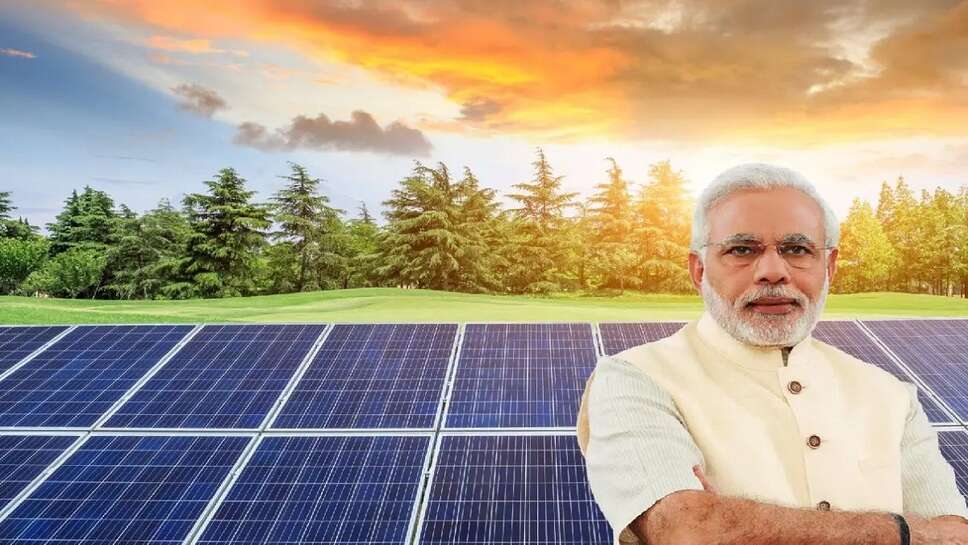
PM Solar Panel Subsidy 2025: India has now taken a major step towards saving electricity and protecting the environment. Prime Minister Narendra Modi has launched the PM Solar Panel Scheme nationwide. Under this scheme, people will receive government subsidies for installing solar panels on their rooftops. The aim is to bring solar energy to every household, reducing electricity costs and expanding clean energy in the country. People in both rural and urban areas can now reduce their electricity costs by installing solar panels under this scheme for just ₹500.
What is the PM Solar Panel Scheme?
The Prime Minister's Solar Panel Scheme was launched to address the power shortage in rural areas and empower farmers. Through this scheme, the government will provide solar panels to over 2 million families. Those who do not have electricity connections or find it difficult to pay their electricity bills can now benefit from solar energy through this scheme. This scheme is a major step towards realizing the dream of a "Solar Self-Reliant India." It will not only save electricity but also significantly reduce environmental pollution, as solar energy is a clean and renewable source.
Main Objective of the PM Solar Scheme
The government's aim is not only to meet domestic electricity needs but also to increase farmers' income. Under this scheme, farmers are being provided free or subsidized solar panels, enabling them to irrigate their fields with solar energy. This will reduce electricity dependence and eliminate the need for diesel pumps. Under this scheme, if farmers install a 1 MW solar plant on 5 acres of land, they can produce approximately 100,000 units of electricity. They can use this electricity for their own needs or earn income by selling the excess electricity to the government. On average, farmers can earn an additional income of ₹6,000 per month to ₹80,000 annually.
Key Benefits of the PM Solar Panel Scheme
- The government will provide a subsidy of up to 60%.
- Power shortages in rural areas will be eliminated.
- Electricity bills will be significantly reduced.
- Farmers will be able to use solar energy for irrigation.
- Selling excess electricity from solar panels will create a new source of income.
- It will help protect the environment as it is a source of clean energy.
- The application process under the scheme has been kept completely digital and transparent.
Eligibility Criteria for the Scheme
All citizens of the country will benefit from this scheme, but priority will be given to rural areas and farmers. Applicants must be Indian citizens to receive benefits. Applicants must also own or lease land or a house where solar panels can be installed.
Required Documents
Some mandatory documents are required to apply for the PM Solar Panel Scheme, which are as follows:
- Aadhaar Card
- Identification Card (Voter ID/Driving License)
- Land Documents (Khasra-Khatauni or Property Certificate)
- Ration Card
- PAN Card
- Bank Account Number and Passbook Copy
- Mobile Number
- Passport Size Photograph
- Self-Filled Declaration
Application Process for the Solar Panel Scheme
Applying for the PM Solar Panel Scheme is very easy. The government has made the application process digital and transparent so that every eligible person can access the benefits. The application process is as follows:
- First, visit the official website of the PM Solar Panel Scheme.
- Click on the “Apply Now” or “Apply Online” link on the home page.
- Now carefully read the guidelines and conditions related to the scheme.
- After this, open the application form and fill in the required information such as name, address, mobile number, bank details, etc.
- Upload scanned copies of all the required documents.
- After filling out the form, click on the submit button.
- After successfully submitting the application, you will receive a registration number, which you should keep safe for future reference.
Applicants can also apply through the nearest Kusum Solar Department or authorized agency. The government has designated authorized solar agencies in each district to help connect eligible applicants with the scheme.
Role of Companies and Agencies
Under this scheme, the central government has assigned solar panel installation tasks to several private and public companies. These companies will install the panels according to prescribed standards and provide maintenance services to beneficiaries. Each installation will be monitored by the respective state energy agency.
Other important points related to the scheme
- Under this scheme, each applicant will have the option to install solar panels ranging from 3 kW to 10 kW.
- The rooftop or open land area required for panel installation must be sufficient.
- The government subsidy will be transferred directly to the applicant's bank account via DBT.
- Scheme information and helpline numbers are available on the official website.
Conclusion
The Pradhan Mantri Solar Panel Scheme 2025 is a step towards energy self-sufficiency for every citizen of the country. This opportunity to install rooftop solar panels for just ₹500 will not only reduce electricity costs but also play a vital role in protecting the environment. This scheme offers a sustainable energy solution for farmers, rural families, and middle-class families. Now is the time to make the switch to solar energy and illuminate your home with green energy. The application process has begun—so don't delay, install rooftop solar panels and benefit from government subsidies.